
★★★★★
There was a patch of mold behind our washing machine. They checked the accessible area and explained the removal scope and the need to address the moisture source. The written notes were useful when I reviewed everything later.
Priscilla Holt
A measured plan for damp spaces and the materials around them.
Explore mold remediation options for your Denver home. Understand the work, check your ZIP and prepare a request for an independent provider.
Independent referral service · You choose the work.
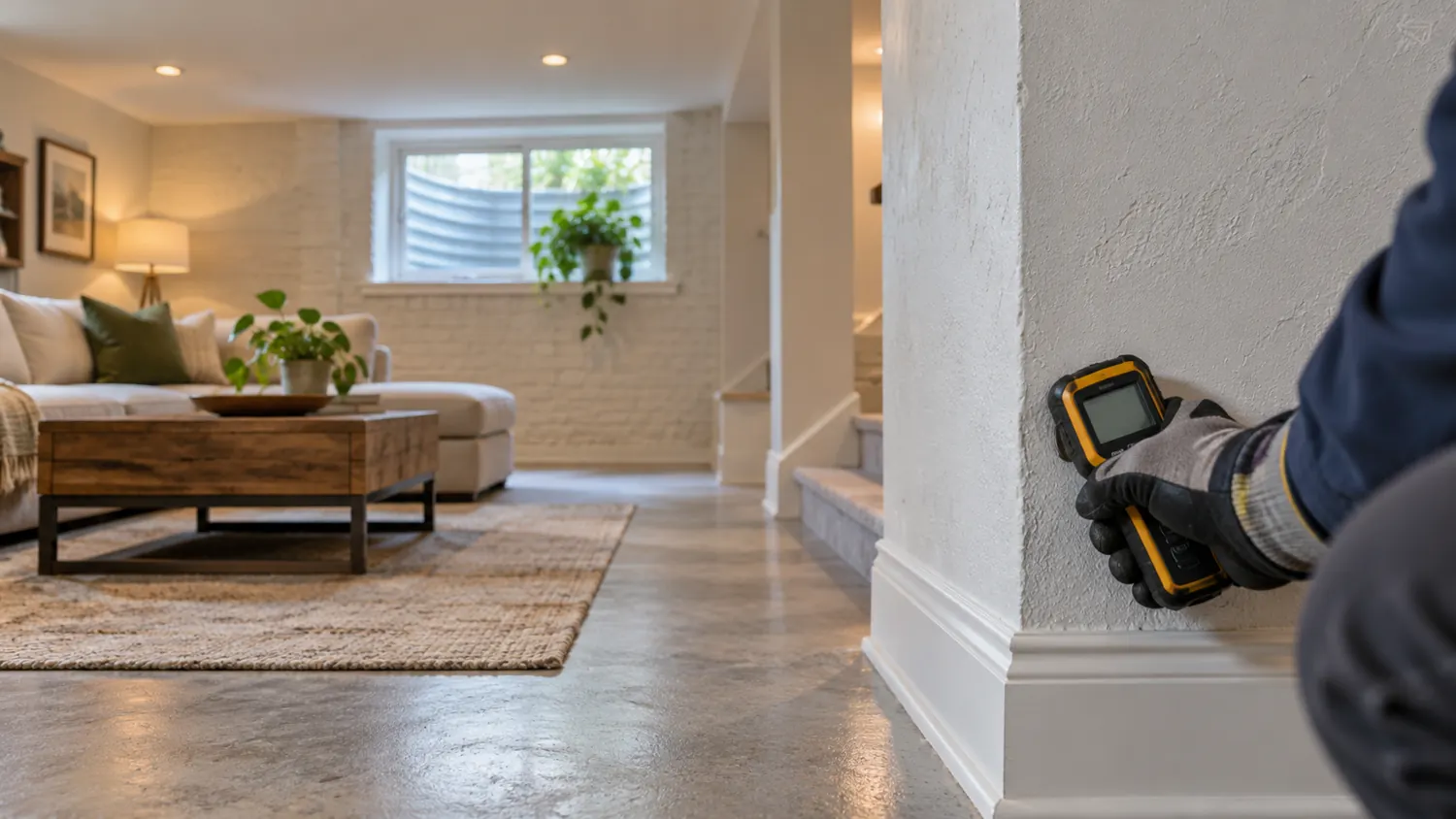
Understand your options, compare the work involved, and take the next step with a clearer brief.
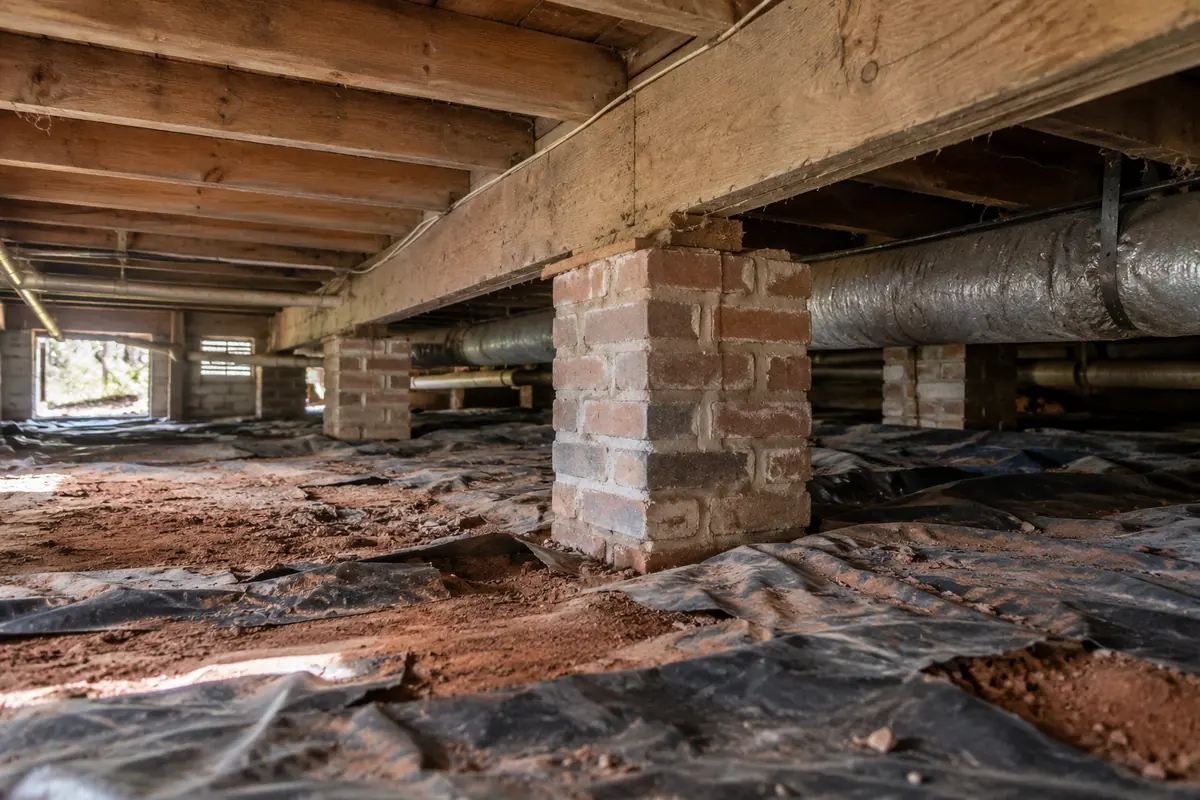
A remediation plan should begin with the source of moisture and the extent of affected materials.
Explore this service
An inspection and a laboratory test are different tools.
Explore this service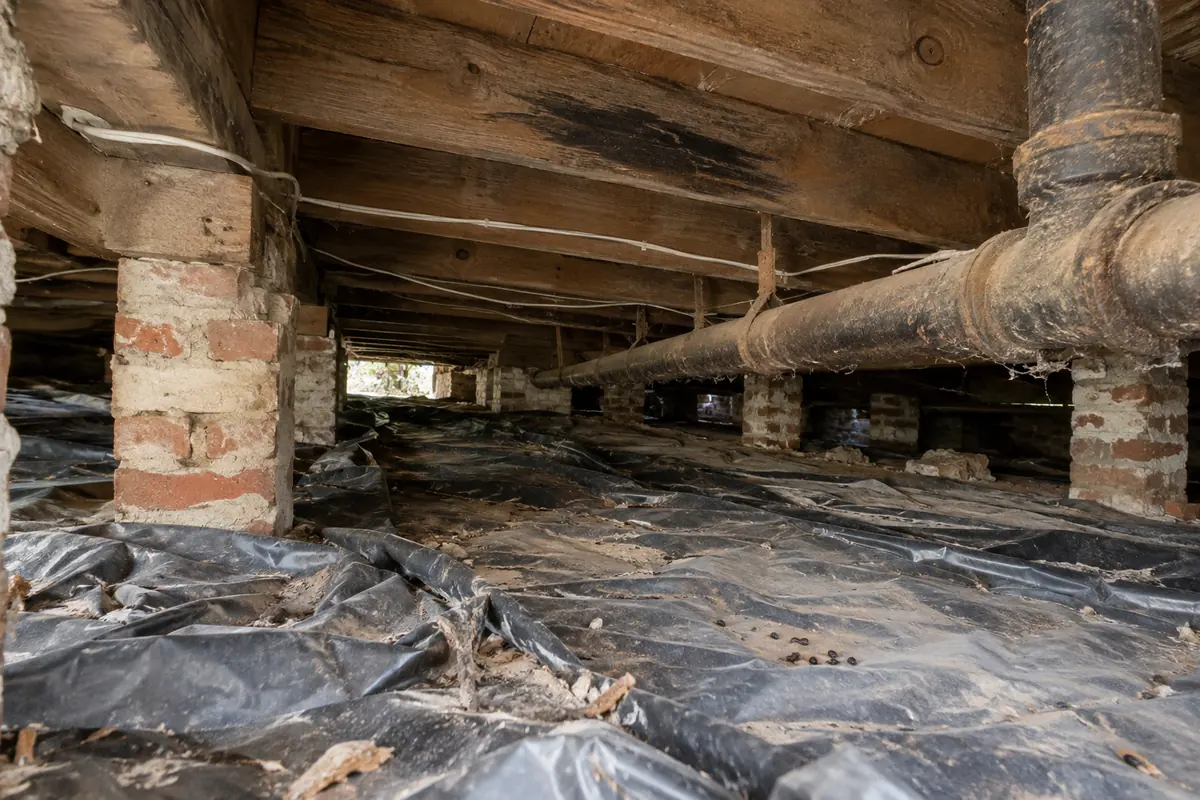
The phrase black mold describes an appearance rather than a complete identification or risk assessment.
Explore this service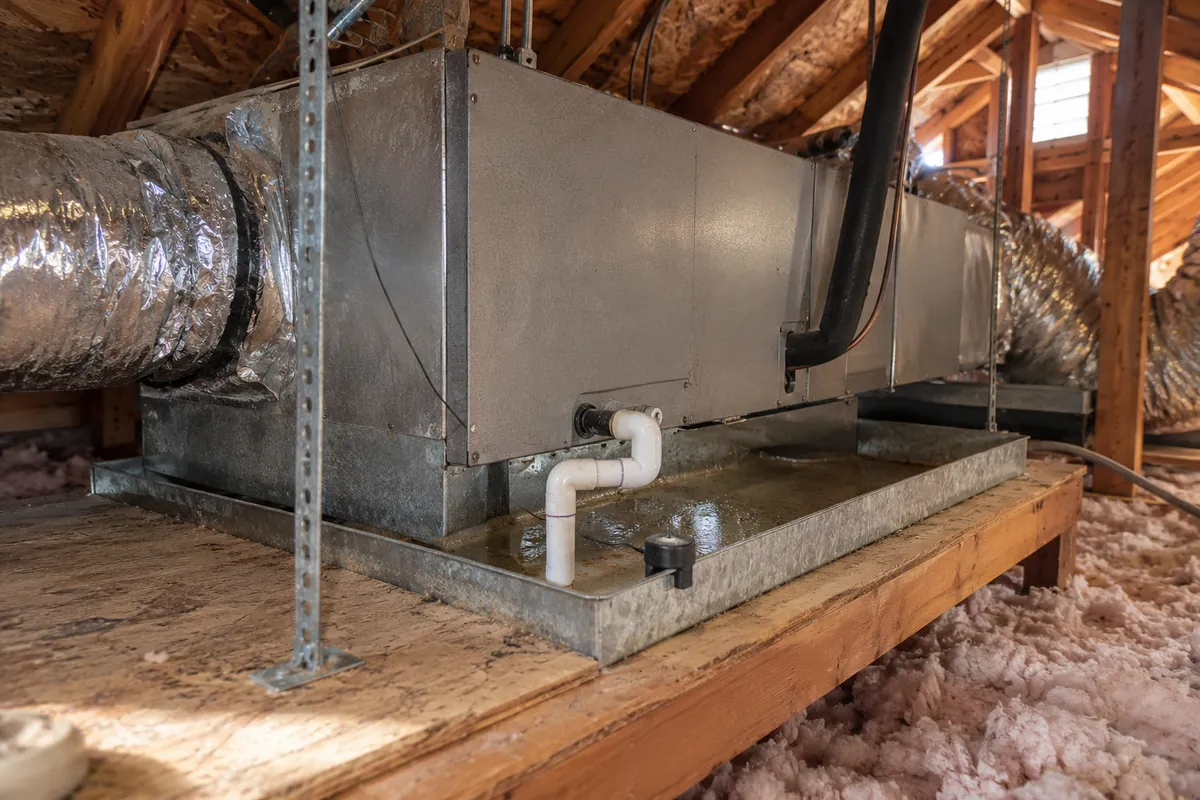
Attic conditions can involve a roof leak, condensation, ventilation or exhaust routing.
Explore this service
Completion checks work best when the expected result is written into the original scope.
Explore this service
Start with what happened, when it happened and whether the water source has stopped.
Explore this serviceA few details help define the next step. Choose the service and tell us the ZIP code for the property.
The provider confirms pricing, coverage and appointment availability.
★★★★★
There was a patch of mold behind our washing machine. They checked the accessible area and explained the removal scope and the need to address the moisture source. The written notes were useful when I reviewed everything later.
Priscilla Holt

★★★★★
We discovered an affected section while replacing a bathroom cabinet. The agreed work was completed neatly and explained clearly. The work area was kept tidy, and they checked with us before moving anything. Clear pricing and considerate service.
Sierra Malone

★★★★★
Careful removal work and a clean bathroom handover. Good communication throughout.
Seth Williams

★★★★★
We found mold on wall material after moving an old storage unit. They documented what was visible and explained the removal work and remaining moisture concerns. The work area was left clean and the handover was easy to follow.
Kathryn McDaniel

★★★★★
A helpful team and a tidy work area. An organized job on our affected ceiling area. I appreciated the practical advice.
Eleanor Cooper

★★★★★
It was easy to get the visit arranged around my work schedule. Useful guidance and neat work in the utility closet. The crew kept the job moving while still making time for questions. The service lived up to what had been explained when we booked.
Joan Carter

★★★★★
They walked us through the scope and separated the work area before removing the affected material. The space was left orderly and the next steps were clear. The final explanation was easy to pass along to the rest of the household.
Garrett McKay

★★★★★
Thorough cleanup around the affected pipe opening. They made the process simple.
Michael Conley

★★★★★
I felt comfortable asking questions. The laundry room work was careful and tidy. The whole visit went smoothly.
Randall Moore

★★★★★
A straightforward experience overall. Careful work on the area behind our vanity. The explanation was easy to follow.
Colin McKay
Check the listed coverage for your ZIP. A listed location is a starting point; the provider still confirms your address and appointment availability.
80201, 80202, 80203, 80204, 80205, 80206, 80207, 80208, 80209, 80210, 80211, 80212, 80214, 80215, 80216, 80217, 80218, 80219, 80220, 80221, 80222, 80223, 80224, 80225, 80226, 80227, 80228, 80229, 80230, 80231, 80232, 80233, 80234, 80235, 80236, 80237, 80238, 80239, 80243, 80244, 80246, 80247, 80248, 80249, 80250, 80251, 80252, 80256, 80257, 80259, 80260, 80261, 80262, 80263, 80264, 80265, 80266, 80271, 80273, 80274, 80281, 80290, 80291, 80293, 80294, 80299
Check your property ZIP code.
Your provider confirms address and availability.
Practical guidance for Denver homeowners, with the details worth checking before a visit.
View all questionsAssess the conditions inside the building rather than inferring them from outdoor weather. A leak, water entry, or condensation can create a local moisture problem. Record what is damp, where it is located, and when it began, then ask the provider to investigate that history. The proposed plan should describe the moisture finding and the affected materials, with any limits on access or conclusions clearly noted in the report.
No. A stain is an observation, and its cause needs assessment. Denver’s drainage guidance explains one possible route for basement water, but that does not establish the source at your home. Share the timing, photographs, and repair history with the assessor. Ask which findings support the conclusion and whether a drainage, plumbing, roof, or other specialist is needed before authorizing repairs based on an assumed cause.
No single sampling package fits every situation. EPA says visible mold generally does not require sampling, and there are no federal airborne mold limits against which a home can be certified. Ask what question the proposed sampling will answer, who interprets it, and how it affects the work. Obtain that explanation and any separate fee in writing before treating testing as an automatic requirement for every project.
Containment is intended to limit the spread of material during work. EPA’s mold course describes different levels and emphasizes professional judgment for the actual project. Ask the contractor to explain the planned work boundary, access route, material removal, and protection of adjacent spaces in plain language. Clarify how the arrangement affects the use of nearby rooms and whether it will change if additional affected material is discovered during the work.
Drying alone does not establish that cleanup is complete. EPA advises cleaning mold and drying surfaces before painting or caulking. Ask the contractor what material decisions and completion checks apply to the area, and confirm who will handle any rebuilding or finish work. Keep the remediation scope separate from the decorating estimate so a new painted surface is not mistaken for evidence that the original moisture problem was resolved.
Ask for the legal business name, relevant experience, insurance documentation, and the exact credentials claimed for the proposed work. Verify each credential with its issuing organization and clarify any separate trade involved in moisture repairs. This research does not establish a current Colorado mold-specific licensing requirement. Review the written scope, preparation, documentation, and follow-up terms directly with the company, rather than relying on a general licensed badge on a referral page.
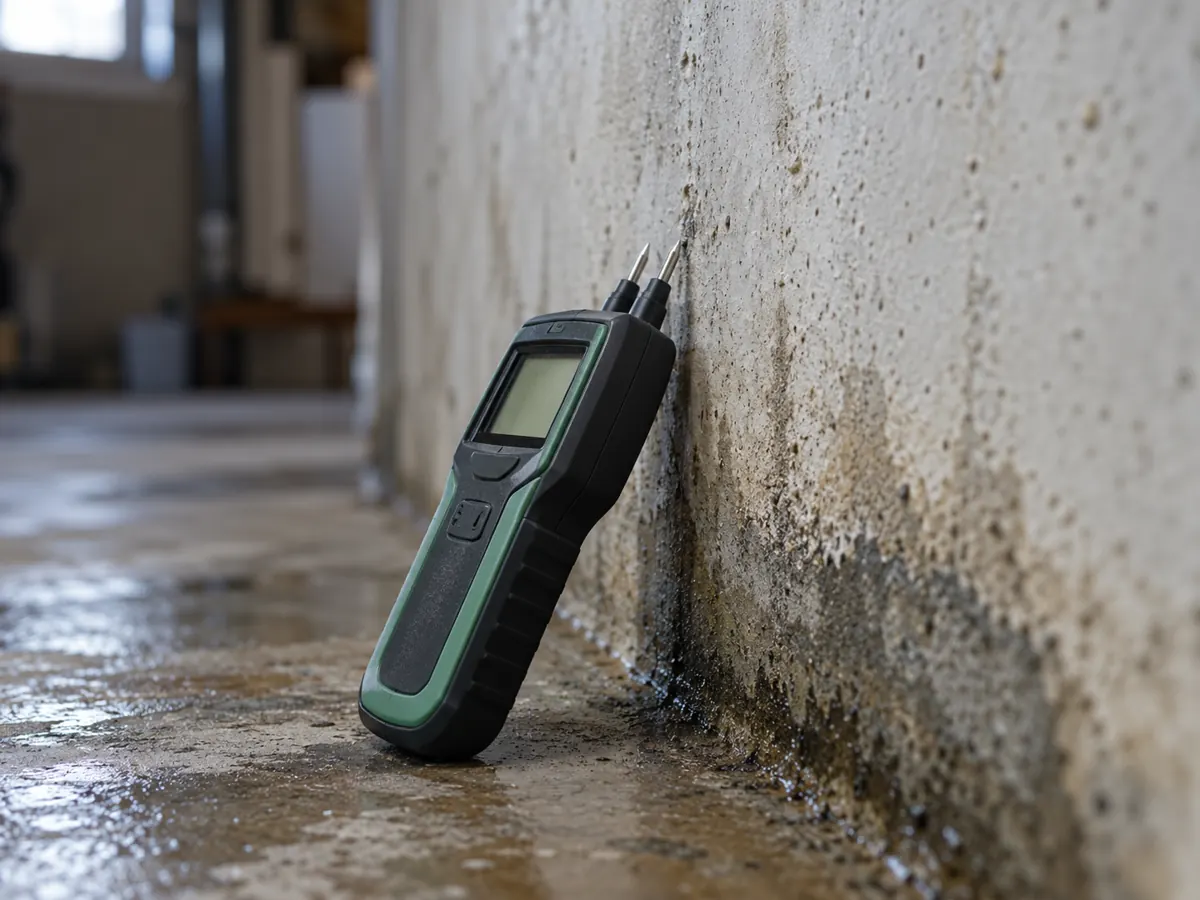
For a Denver home with basement dampness, the visible indoor mark is only the beginning of the story. The City’s homeowner drainage guide explains that poor drainage can contribute to wet basements and that foundations can convey water inside. That does not diagnose a particular property. It does make the timing and route of water useful facts to bring to an assessment: where the stain first appeared, what was happening outside, and whether the condition has returned after an earlier repair.
Before the visit, gather photographs and records from any plumbing, drainage, roof, or window work. Ask the assessor which areas can be examined without opening finished materials and how inaccessible spaces will be documented. Keep observations separate from assumptions. A damp baseboard, an odor, and a surface stain may be related, but the inspection needs to establish what can actually be supported. Ask how any proposed opening will be authorized and how the work area will be managed if additional affected material is found.
Colorado’s outdoor setting is not a substitute for measurements and inspection inside the building. University of Colorado Boulder’s property guidance places the emphasis on moisture control and prompt reporting of leaks or condensation. For a finished basement, bathroom, crawl space, or equipment area, describe the specific condition and the history of water. Ask the provider to explain whether the proposal covers assessment alone, cleanup, drying, or rebuilding. If another contractor must correct the water entry, record that responsibility alongside the remediation scope.
Completion should also be discussed before cleanup starts. Request the planned checks, photographs, material decisions, and follow-up arrangements in writing. Ask why sampling is proposed if it is part of the estimate; EPA says visible mold generally does not need sampling merely to confirm its presence. Compare proposals against the same locations and requested tasks. Confirm any actual credentials directly with the issuing organization, and avoid assuming that a referral site establishes a provider’s license status. A useful Denver plan connects the moisture finding, the work performed, and the conditions that will be reviewed afterward.
These are the problems that come up most often for Denver homeowners. Each one links the symptom to what a provider will look for, so you can describe it clearly when you call.
Window wells and foundation cracks let groundwater into basements, wetting drywall and carpet edges. Fix the water source first, then dry, remove affected porous material and verify moisture levels before rebuilding.
Warm attic air melts snow and ice dams push water under shingles, wetting sheathing and insulation. Mold in the attic is solved by finding the leak or ventilation problem, removing damaged material and drying the space.
Bathrooms without a working exhaust fan hold moisture on ceilings and grout. Ventilation, cleaning small areas and repairing leaks around tubs and toilets stop mold from returning.
Crawl spaces gain moisture from soil, vents and plumbing leaks. A vapor barrier, drainage, dehumidification and sometimes encapsulation keep humidity down and protect the structure.
A hidden pipe or appliance leak can wet wall cavities for days before anyone notices. Mold can start in 24 to 48 hours, so drying fast and checking moisture behind finishes matters.
Evaporative coolers and HVAC components add moisture and can grow mold on pads, drains and coils. Cleaning and maintenance, and replacing contaminated parts, address it.
The seasons change what homeowners in Denver see and when to act. Spring melt and summer storms raise leak risk; winter ice dams hit attics.
| Season | What to watch | What to do |
|---|---|---|
| Spring | Snowmelt, spring storms and basement seepage | Check basements, crawl spaces, window wells and gutters |
| Summer | Humidity, storms, AC condensation | Keep indoor humidity under about 50 percent and check drains |
| Fall | Leaves in gutters, roof leaks, damp crawl spaces | Clean gutters, inspect the roof and attic, seal leaks |
| Winter | Ice dams, condensation on windows, closed-up homes | Ventilate bathrooms, watch attic frost and ceiling stains |
Remediation follows the same order on every job. Ask any provider to walk you through each step for your property.
| Step | What happens | Why it matters |
|---|---|---|
| 1. Assess | Inspect the property, take moisture readings and find the water source | Without the source, mold returns |
| 2. Contain | Seal the area with plastic and run a negative air machine with a HEPA filter | Keeps spores out of the rest of the home |
| 3. Remove | Bag and remove wet or heavily affected porous materials | Porous materials cannot be cleaned reliably |
| 4. Clean | HEPA vacuum and damp wipe surfaces, clean or sand wood framing | Removes remaining spores and residue |
| 5. Dry | Dehumidifiers and air movers until moisture readings return to normal | Dry materials do not support growth |
| 6. Verify | Visual check, moisture readings and, if agreed, independent sampling | Confirms the job is finished before rebuilding |
Mold Remediation Denver is an independent referral website. Call Now connects you with an independent provider that serves your ZIP code in Denver, Colorado. The provider confirms the address, inspects the property and gives you the scope in writing, and you decide whether to go ahead. Coverage covers 66 ZIP codes in Denver and requests also reach providers serving Wheat Ridge, Commerce City, Englewood, Arvada and Westminster.
Tell us what you are seeing. An independent local provider confirms the visit.
Call Now